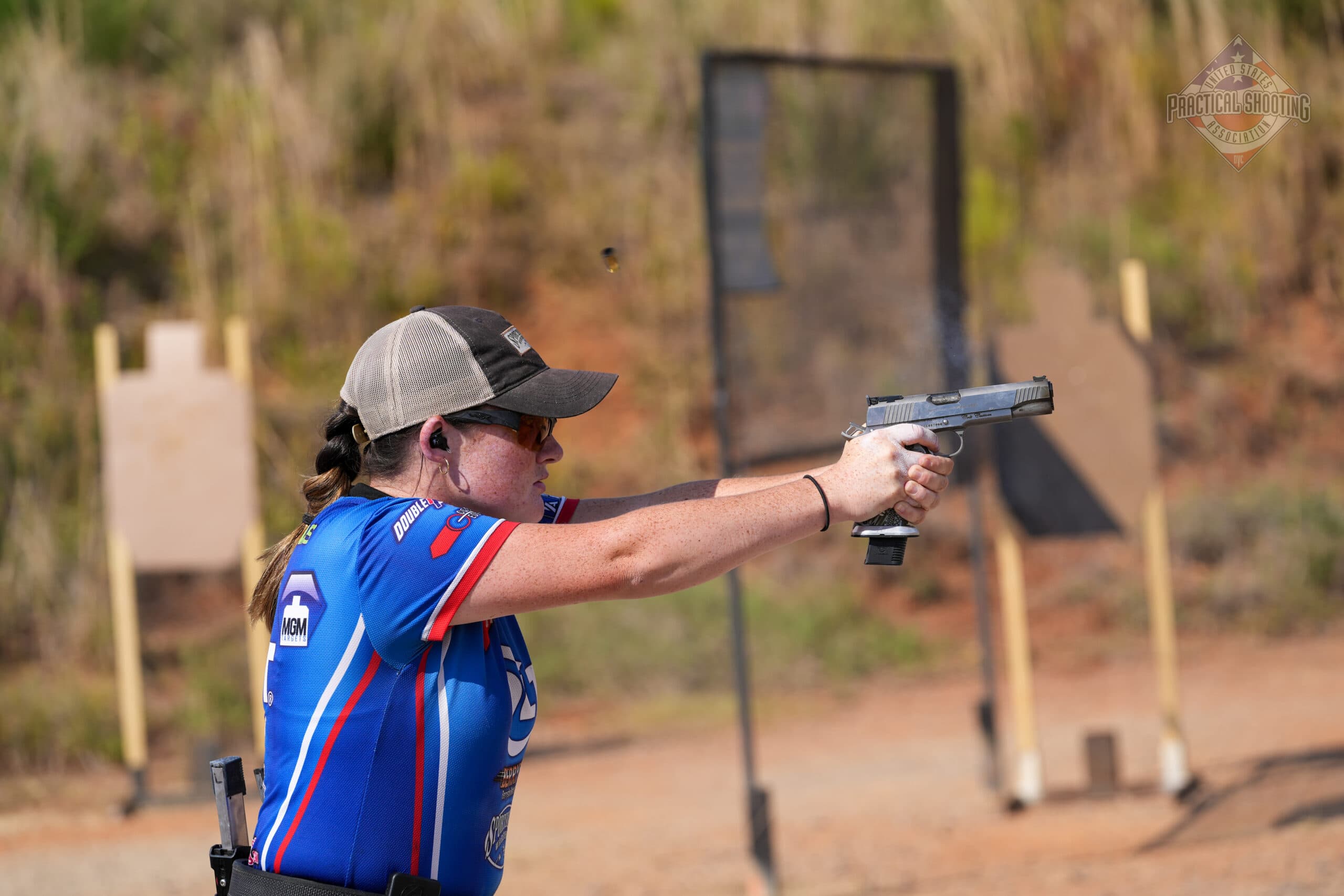
Beginner's Guide to Practical Shooting Sports: Everything You Need to Know
Practical shooting is one of the fastest-growing shooting sports in the world, combining marksmanship, speed, and strategy into an electrifying competitive experience.
If you've ever watched a USPSA match and thought, “I want to try that,” you're not alone. Every year, thousands of new shooters discover the thrill of practical shooting sports. This guide covers everything a beginner needs to know to get started, from understanding the basics to attending your first match.
What Is Practical Shooting?
Practical shooting is a competitive shooting sport that tests a shooter's ability to combine speed and accuracy in dynamic scenarios. Unlike traditional bullseye shooting where you stand in one spot and fire at a fixed target, practical shooting involves movement, multiple targets at varying distances, barriers, and time-based scoring.
The largest governing body for practical shooting in the United States is the United States Practical Shooting Association (USPSA). USPSA uses the Hit Factor scoring system, which divides your points earned by the time taken to complete a stage, ensuring that both speed and accuracy matter equally.
Essential Gear for Your First Match
Getting into practical shooting sports doesn't require an enormous investment. Here's what you need to get started:
- A reliable handgun — Most beginners start in Production or Carry Optics division with a 9mm semi-automatic pistol
- A quality holster — Must be a strong-side hip holster that covers the trigger guard for safety
- At least three magazines — Most stages require reloading, so carry spare magazines in belt-mounted pouches
- Eye and ear protection — Non-negotiable safety gear for any shooting sport
- Ammunition — Typically 150-200 rounds per match for a standard local competition
Understanding USPSA Divisions
USPSA organizes competitors into divisions based on equipment. As a beginner in practical shooting, you'll likely choose one of these:
Production Division
The most popular starting point for new practical shooting competitors. You use a factory handgun with iron sights and magazine capacity limits. This levels the playing field and lets you focus on developing fundamental shooting skills.
Carry Optics Division
Similar to Production but allows a red dot optic on your pistol. This is increasingly popular in shooting sports as optics technology has improved. Many shooters find target acquisition faster and more intuitive with a dot sight.
Your First Match: What to Expect
Arriving at your first practical shooting match can feel intimidating, but the community is remarkably welcoming. Here's what a typical match day looks like:
- Registration — Arrive early, sign in, and pay the match fee (usually $20-40 for local matches)
- Safety briefing — The Range Master covers rules and safety protocols for all competitors
- Walk-through — Before each stage, you get to walk through the course of fire and plan your strategy
- Shooting stages — You'll shoot 4-6 stages, each presenting different challenges and target arrays
- Scoring — After each stage, your hits are scored and your time recorded to calculate your hit factor
Safety First in Shooting Sports
Safety is the foundation of all practical shooting sports. USPSA enforces strict safety rules that every competitor must follow:
The four fundamental safety rules in practical shooting: always treat every firearm as if it's loaded, never point your muzzle at anything you're not willing to destroy, keep your finger off the trigger until your sights are on target, and always be sure of your target and what's beyond it.
Violating safety rules results in disqualification — no exceptions. This strict enforcement is what makes practical shooting one of the safest shooting sports despite its dynamic nature.
How Hit Factor Scoring Works
Understanding hit factor scoring is key to practical shooting strategy. Your hit factor is calculated by dividing your total points by your stage time. This means you need to balance shooting quickly with shooting accurately.
For beginners, the best advice is to focus on accuracy first. Missing targets or earning penalties will hurt your hit factor far more than taking an extra second or two to aim carefully. Speed will come naturally with practice shooting and experience.
Tips for New Practical Shooting Competitors
- Start slow, finish smooth — Accuracy builds confidence and scores better than speed without control
- Watch experienced shooters — Observe how they plan stage movement and manage reloads
- Dry fire practice — The most effective way to improve your practical shooting skills at home without ammunition
- Ask questions — The practical shooting community loves helping newcomers learn the sport
- Track your hit factor — Monitor your scores over time to measure improvement in your shooting sports journey
Getting Started Today
The best way to get into practical shooting sports is simply to show up. Find a local USPSA club near you and attend a match as a spectator first if you're nervous. Most clubs also offer new-shooter orientations that cover the basics of safety and match procedures before your first competition.
Whether you're looking to improve your shooting skills, challenge yourself competitively, or simply join an incredible community, practical shooting is an investment that pays dividends in skill, confidence, and friendships. Your journey in this exciting shooting sport starts with a single stage.