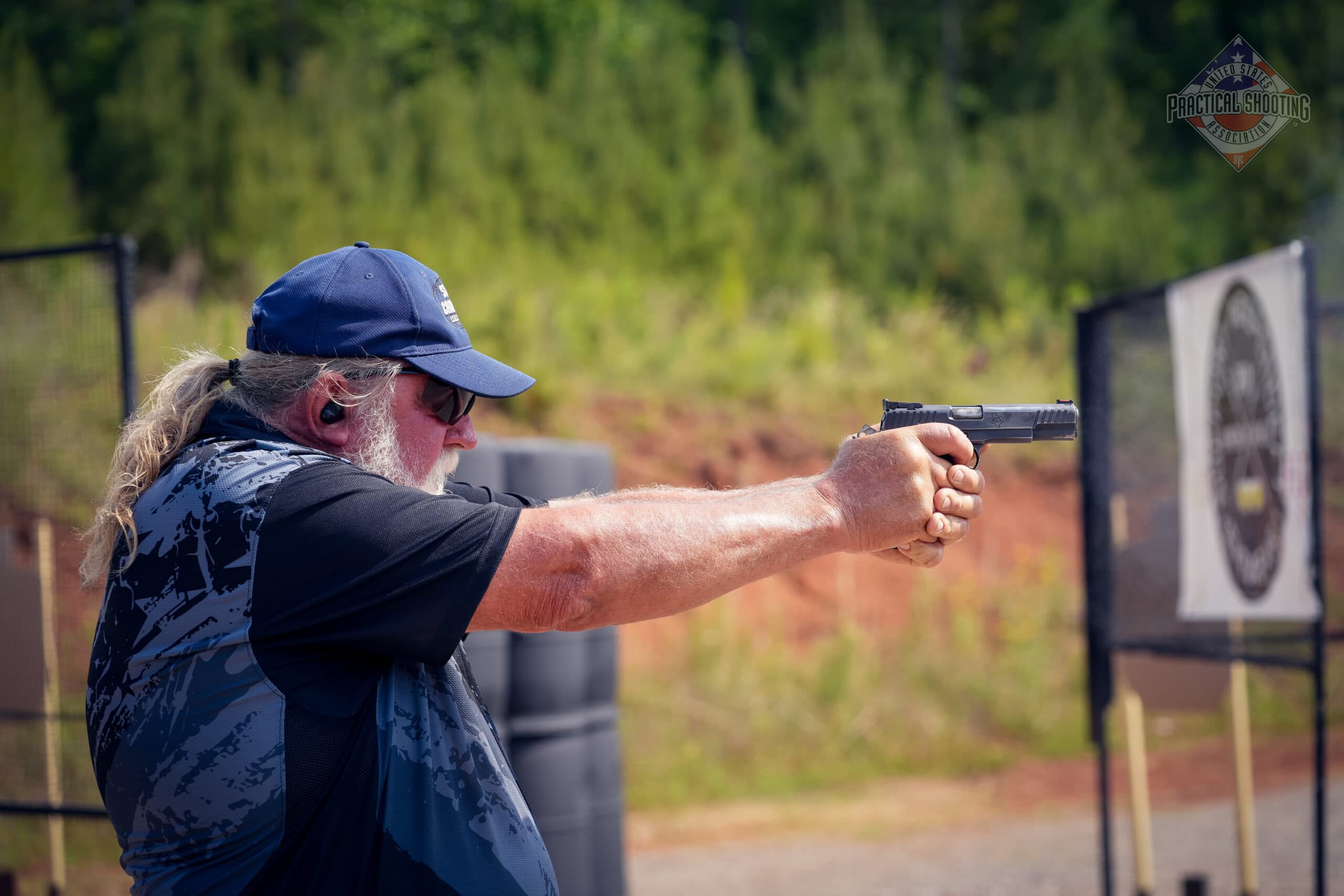
How to Improve Your Hit Factor: Tips from Competitive Shooters
Your hit factor is the ultimate measure of performance in practical shooting — a single number that captures how well you balance speed and accuracy on every stage.
Whether you're a C-class shooter looking to break into B, or a seasoned competitor pushing for Grand Master, improving your hit factor requires deliberate practice, smart strategies, and a willingness to analyze your performance honestly. Here are proven tips from experienced USPSA competitors that will help you push your hit factor higher.
1. Master the Fundamentals of Marksmanship
Before chasing speed, ensure your shooting fundamentals are solid. The top practical shooting competitors all agree: accuracy is the foundation of a high hit factor. A clean A-zone hit earns you 5 points. A rushed C-zone hit earns only 3 points in minor power factor — and that difference compounds across an entire stage.
Focus on these core marksmanship fundamentals during your practice shooting sessions:
- Grip consistency — A high, firm grip that's the same every time you draw
- Sight alignment — Proper sight picture for the distance to target
- Trigger control — A smooth press that doesn't disturb your sight picture
- Follow-through — Calling your shots and tracking the sights through recoil
2. Optimize Your Stage Planning
In practical shooting, your hit factor isn't determined solely by shooting ability — it's heavily influenced by how efficiently you navigate the course of fire. Elite USPSA shooters spend significant time during the walk-through visualizing their plan.
Key stage planning strategies for better hit factor performance:
- Minimize movement — Find the most efficient path between shooting positions
- Reload on the move — Never waste time standing still to reload when you could be transitioning
- Shoot targets in order of difficulty — Engage close, easy targets while moving and save precise shots for when you're settled in position
- Identify freebies — Targets you can engage from multiple positions should be shot when most convenient
3. Dry Fire Practice Is Non-Negotiable
Ask any Grand Master-level practical shooting competitor about their training routine, and dry fire will be at the top of the list. Dry fire practice — working through draws, reloads, transitions, and movement without live ammunition — is the single most effective way to improve your hit factor without spending a dime on ammo.
The difference between an A-class and a Master-class shooter often comes down to how much time they spend in dry fire. It builds the neural pathways that make complex shooting actions feel automatic in competition.
Aim for at least 15-20 minutes of focused dry fire practice 4-5 days per week. Use a shot timer to measure your progress on draws, reloads, and transitions.
4. Understand When to Push Speed vs. Accuracy
The hit factor formula (points divided by time) creates a constant tension between speed and accuracy. Knowing when to prioritize each is what separates good shooters from great ones in practical shooting sports.
Push for Speed When:
- Targets are large and close (under 10 yards)
- You're moving between positions with easy transition shots
- Steel targets are close enough to engage aggressively
Prioritize Accuracy When:
- Targets are at distance (15+ yards)
- Partial targets or hard-cover scenarios
- Shooting through ports or around barricades
5. Analyze Your Match Performance
Every match is a learning opportunity. After each competition, review your stage-by-stage hit factor scores and identify patterns. Are you consistently losing points on long-range targets? Is your movement between positions costing you time? Are penalties from misses dragging your overall hit factor down?
Keep a training journal that tracks:
- Your hit factor for each stage and your match percentage
- Points breakdown (A, C, D, and miss counts)
- Stage plans vs. actual execution
- Specific skills that need practice shooting attention
6. Train with Purpose, Not Just Volume
Burning through boxes of ammunition at the range without a plan won't improve your hit factor. Instead, structure your live fire practice shooting sessions around specific skills:
- Bill Drills — 6 rounds on an A-zone at 7 yards to build draw speed and recoil control
- El Presidente — A classic practical shooting drill that tests draw, transitions, and reloads
- Blake Drills — Transition speed between multiple targets at varying distances
- Movement drills — Practice entering and exiting positions while maintaining a shooting stance
7. Invest in Yourself, Not Just Equipment
It's tempting to think a new gun or upgraded trigger will transform your hit factor. While quality equipment matters in shooting sports, the biggest returns come from investing in your skills. Take a class from a reputable practical shooting instructor, attend a major match to observe top-level competition, and commit to a structured training plan.
The Path Forward
Improving your hit factor in practical shooting is a marathon, not a sprint. Consistent practice, thoughtful analysis, and a commitment to mastering fundamentals will yield results over time. Every Grand Master started as a beginner who decided to keep showing up, keep learning, and keep pushing their limits in this incredible shooting sport.
Set specific, measurable goals — whether it's achieving a certain match percentage, earning a classification upgrade, or simply beating your personal best hit factor on your favorite local stage. Then put in the work to get there.